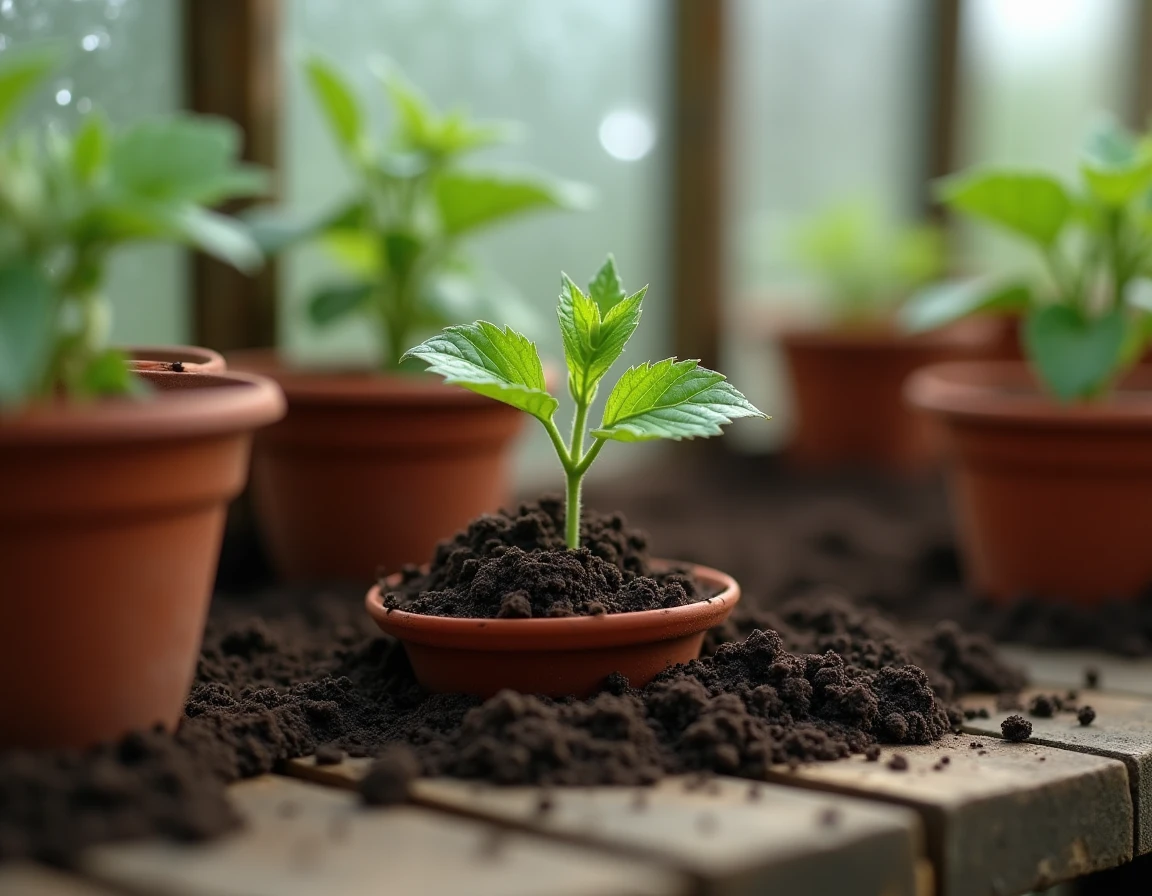
Between the sowing of a seed and the first tomato picked from the plant, the actual duration varies much more than the usual ranges suggest. The life cycle of the tomato depends on the growth type of the variety, local climatic conditions, and the chosen cultivation method.
Understanding what separates a determinate variety from an indeterminate one, or what truly drives the cessation of flowering at the end of the season, allows for adjustments in interventions and extends the harvest period.
Actual cycle duration according to the growth type of the tomato
Gardening guides often mention a complete cycle of 100 to 140 days from sowing to the last harvest. However, this figure aggregates very different realities depending on whether the variety is determinate or indeterminate.
| Criterion | Determinate variety | Indeterminate variety |
|---|---|---|
| Juvenile phase (sowing to first flower) | Comparable | Comparable, sometimes slightly shorter |
| Duration of flowering | Short, concentrated | Spread over several months |
| Harvest | Grouped over a few weeks | Staggered until the first frosts |
| Planting to first harvest | About 50 to 70 days | About 60 to 90 days |
| Main interest | Quick production, canning | Long harvest, fresh consumption |
When talking about already formed plants put in the ground (and not sowing), the average duration between planting and first harvest is around 70 days, with a range of 50 to 90 days depending on the varieties. This discrepancy between “complete sowing cycle” and “planting cycle” explains much of the confusion in online guides.
To better understand the life cycle and flowering of tomatoes, one must think in two stages: the growth phase of the plant, and then the reproductive phase that goes from flower to ripe fruit.
Flowering and fruit set of the tomato: what triggers fruiting
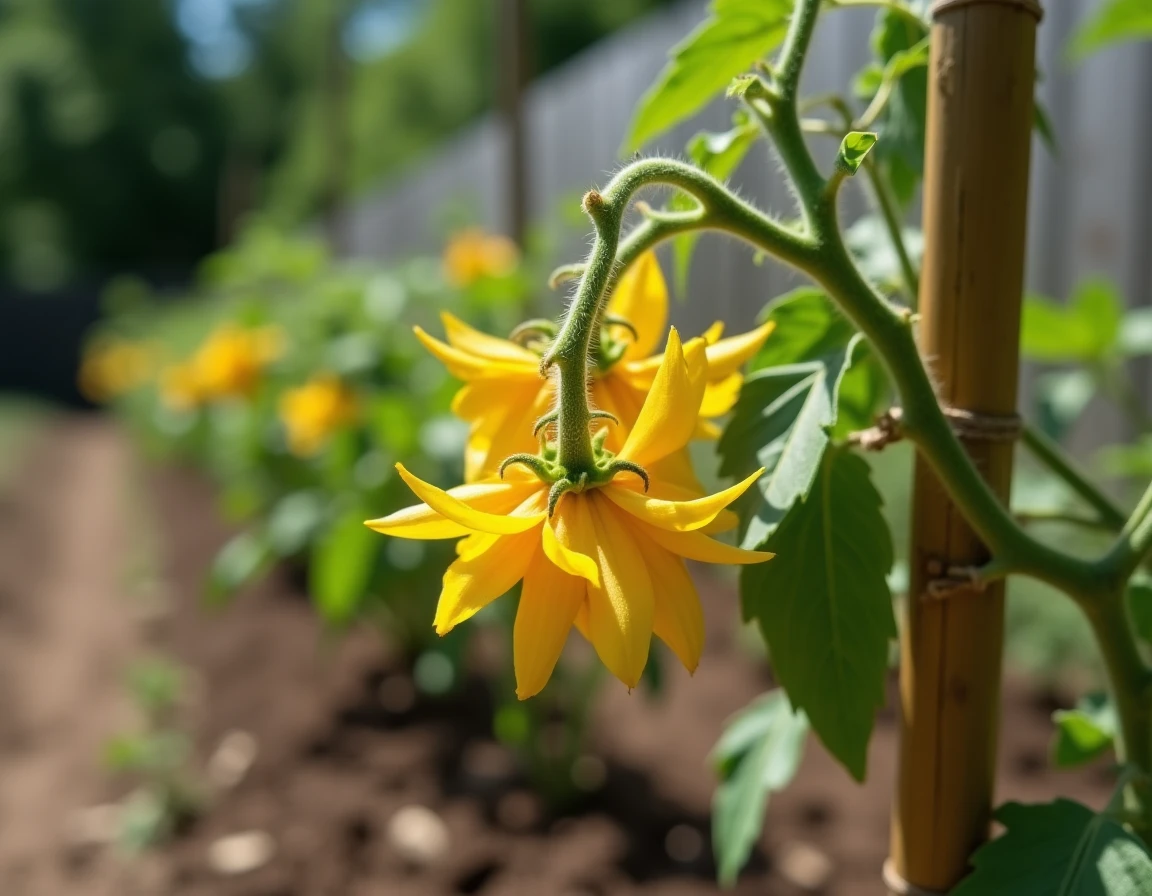
Tomato flowers are self-pollinating. Each flower carries both male and female organs, meaning it can fertilize itself without the intervention of a pollinating insect. Wind or vibrations are sufficient to release the pollen.
However, fruit set (the transformation of the flower into fruit) depends on specific conditions. A nighttime temperature below 13 °C or above 25 °C significantly reduces fruit set, even if the plant continues to produce flowers. This point is often underestimated: a plant covered in yellow flowers does not guarantee a bountiful harvest.
Factors that limit fruit set
- Nighttime temperatures that are too low or too high, which disrupt pollen viability and ovule fertilization.
- Excess nitrogen in the soil, which promotes leaf growth at the expense of flowering and fruiting.
- Irregular watering, causing water stress that leads to flower drop before they can set fruit.
On indeterminate varieties, flowering is spread out: new clusters appear as the plant grows. Determinate varieties concentrate their flowering over a short period, which explains their grouped harvest.
Photoperiod and temperature: the signals to stop the cycle at the end of the season
Contents on tomato cultivation rarely describe what actually stops the productive cycle. The plant does not die overnight with the first cold. The slowdown is gradual and driven by two combined factors.
The decrease in photoperiod and the drop in nighttime temperatures reduce flower fertility well before frost destroys the leaves. In practice, as soon as the nights shorten and regularly drop below a certain threshold, fruit set becomes increasingly uncertain. The plant remains green, still produces a few flowers, but fruits no longer form.
This phenomenon has a direct consequence on garden management: the last clusters of flowers that appear at the end of summer have very little chance of maturing. Removing these late flowers (topping technique) allows the plant’s energy to concentrate on the fruits already formed, speeding up their maturation before the first frosts.
Fruit ripening: from green to red, an autonomous process
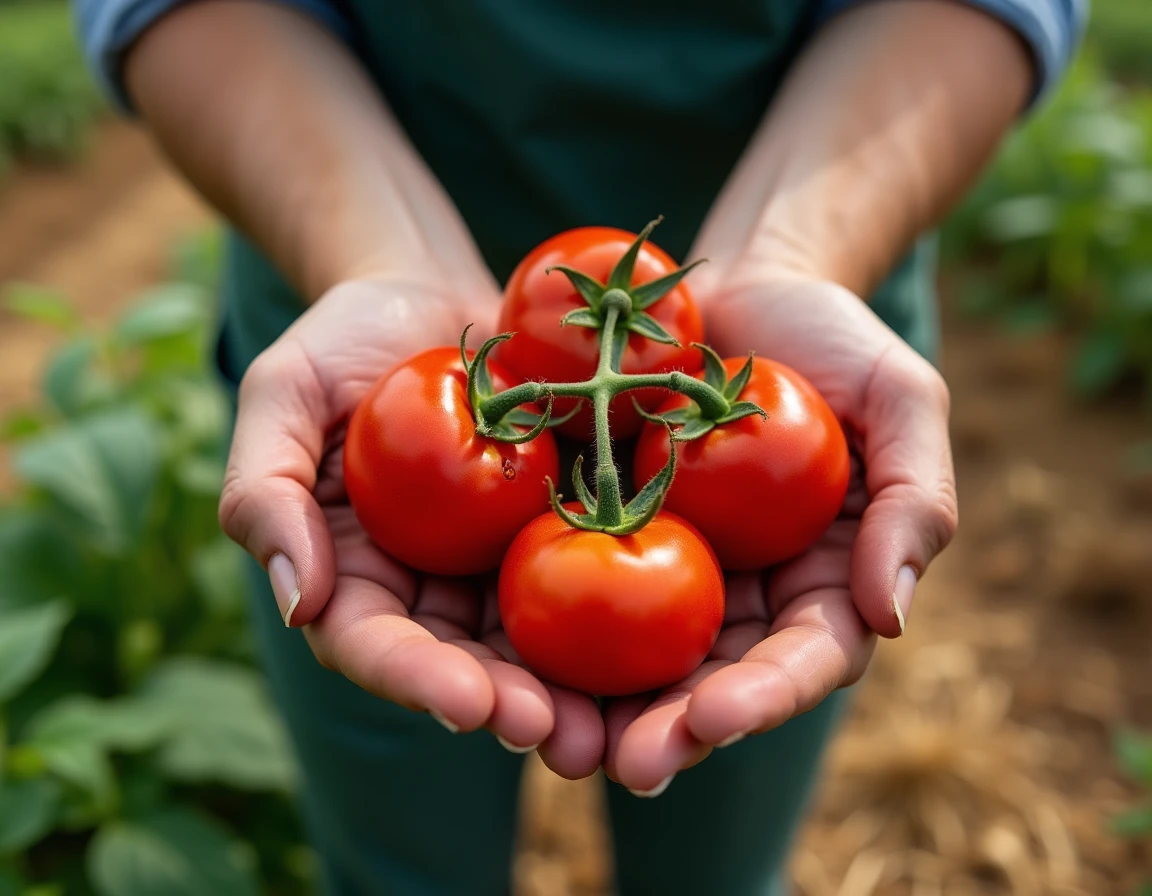
Once the fruit is set, the tomato enters a swelling phase that lasts several weeks. The fruit accumulates water, sugars, and organic acids. At this stage, the growth of roots and leaves still plays a role: healthy foliage and regular watering directly feed the filling of the fruit.
The color change occurs at the end of this phase. Ripening is triggered by ethylene produced by the fruit itself, a process that can continue outside the plant. Tomatoes picked at the “turning” stage (beginning of coloration) ripen very well at room temperature, which helps save part of the harvest when frost threatens.
What influences the speed of ripening
- Daytime temperature: moderate heat accelerates ethylene production and color change.
- Direct sunlight exposure on the fruit, which can cause sunburn but also speed up coloration.
- The fruit load of the plant: the more tomatoes it carries, the slower the ripening of each due to insufficient energy.
On the other hand, excessive heat (above about 35 °C) blocks the synthesis of red pigments. The fruits remain orange or yellow, a common problem in Mediterranean climates during heatwaves.
The tomato cycle is not just a fixed duration inscribed on a seed packet. The growth type determines the duration and distribution of the harvest, while nighttime temperature and photoperiod decide the actual end of production. Thinking in terms of “planting to harvest” rather than “sowing to last tomato” provides a more accurate view of the real calendar in the garden.