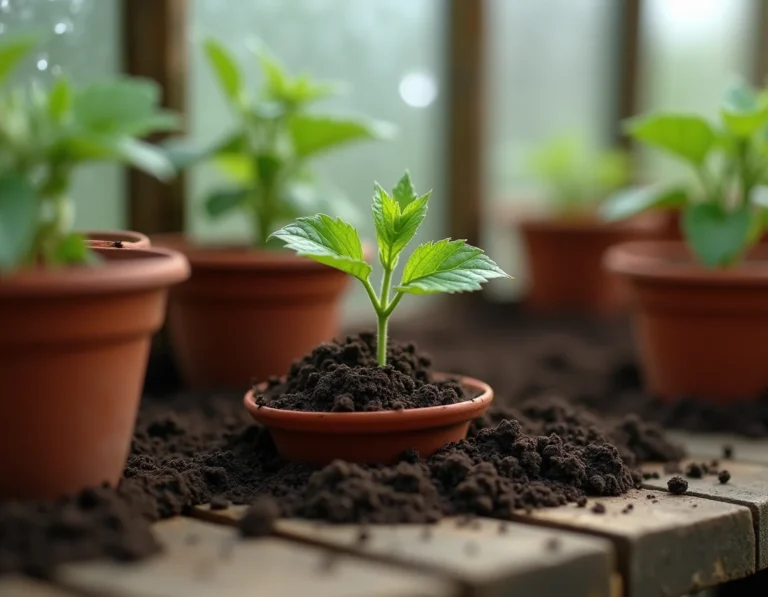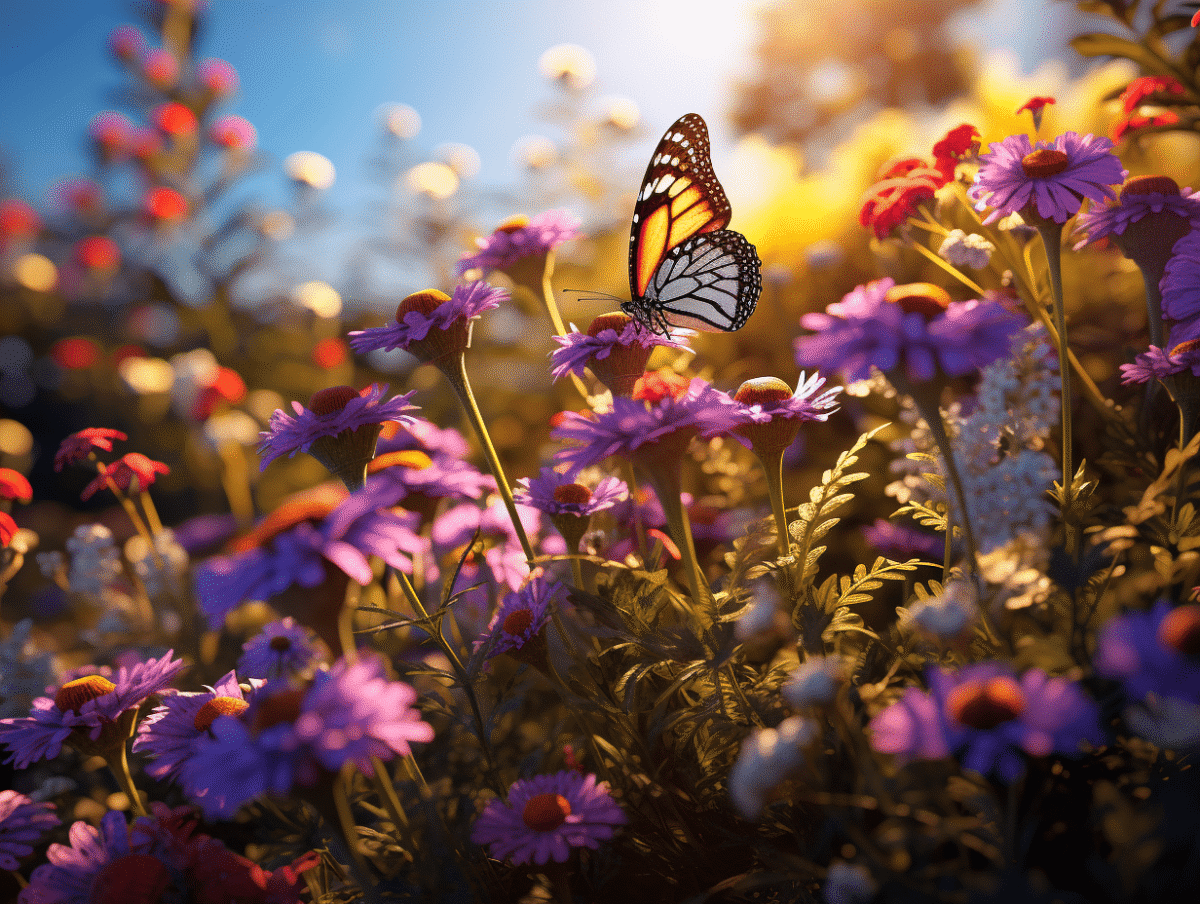
Gardens have become essential refuges for urban biodiversity, particularly for pollinators such as bees, butterflies, and beetles, whose populations are declining due to urbanization and intensive agriculture. Cultivating a garden that welcomes these precious allies of nature is not just an aesthetic quest; it is an eco-responsible approach. By selecting nectar-rich plants and creating favorable habitats, every gardener can contribute to the preservation of pollinators. This ecological gesture improves ecosystem health and enriches our living spaces, bringing deep personal satisfaction and sustainable well-being.
Essentials for a Pollinator-Friendly Garden
Ecological gardening is rooted in a logic of respect and support for biodiversity. Native plants: this is the first rule. These species, perfectly adapted to the local climate and requiring less care, form the foundation of a diverse and resilient garden. Experts from ‘Jardindivert’ confirm: prioritize indigenous varieties to provide pollinators with a nourishing and familiar environment.
Bee-friendly flowers play a leading role in attracting pollinators. These plants, rich in nectar, are a vital resource for bees and other insects, true pillars of pollination. Incorporating these flowers into the garden is a winning strategy for gardeners eager to see their space buzzing with life.
Beyond plants, creating a varied natural habitat is crucial. Compost, wildflower meadows, natural ponds, hedgerows: these elements diversify ecosystems and promote biodiversity. These areas provide not only food but also essential nesting and resting places for wildlife. Initiatives from ‘Jardindivert’ demonstrate that water, a vital element, must also be accessible to encourage the presence of abundant life.
Let’s not forget wildlife shelters. Insect hotels, birdhouses: these structures are designed to provide safe resting and breeding places for animals. Specialists from ‘Jardindivert’ emphasize this hospitality as a strong link in the survival chain of species. A garden that cares for its inhabitants is a garden that thrives.
Practical Strategies to Support Biodiversity in the Garden
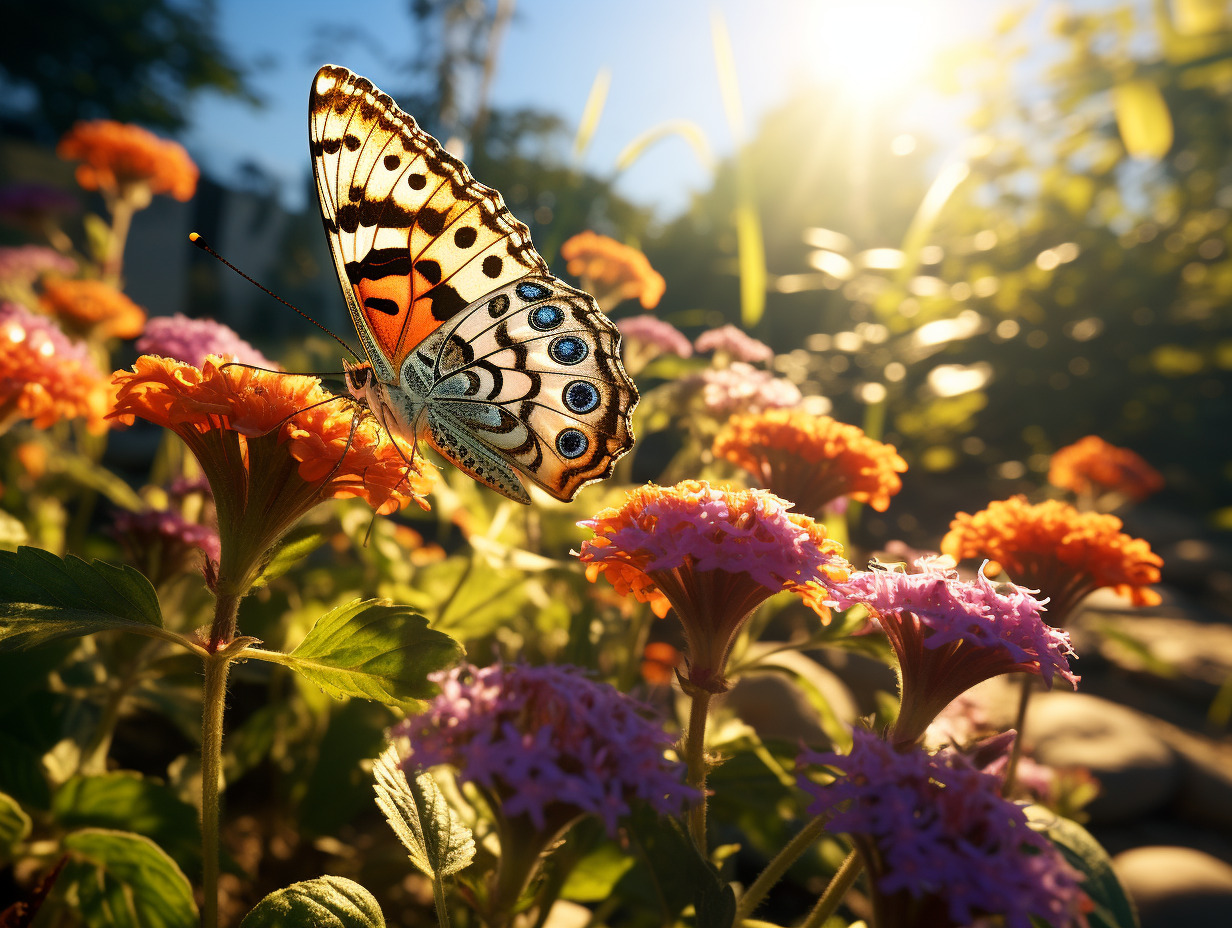
In the face of biodiversity erosion, ecological gardens emerge as vital refuges. Adopt practices that respect and enrich life. Avoid pesticides: choose preventive or eco-friendly solutions to protect your plants. A garden free of chemicals becomes a haven for beneficial organisms and contributes to the natural balance of species.
Combatting invasive species is also essential. These plants or animals, introduced by humans, threaten biodiversity by destabilizing local ecosystems. Implement strict control by eradicating these species and promoting native varieties, which ensure a balanced and healthy environment for all its inhabitants.
Managing light and noise pollution is also a key issue. Reduce artificial nighttime lighting that disrupts wildlife and avoid excessive noise disturbances. These considerations help maintain a natural rhythm of life for animals and insects, essential for pollination and soil regeneration. Also, take care of domestic and wild animals by avoiding releasing the former into nature and respecting the habitats of the latter.