Excessive sugar consumption is a major public health concern, linked to various issues such as diabetes, obesity, and heart disease. Desserts, often singled out for their high sugar content, hold a prominent place in global culinary culture. It is entirely possible to enjoy these sweet treats while limiting their impact on health.
Natural and Healthy Alternatives to Sweeten Your Desserts
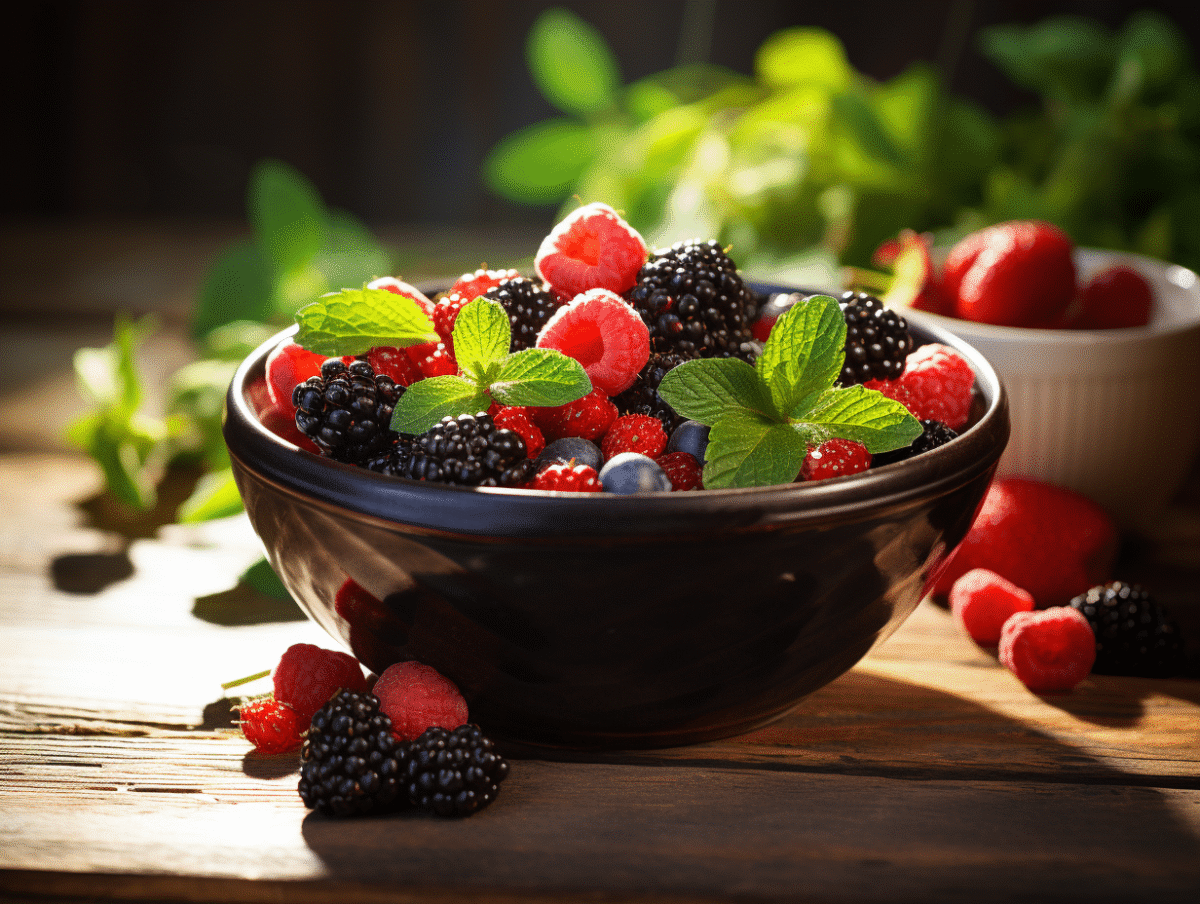
In the quest for a balanced diet, natural sugar alternatives emerge as wise choices to lighten desserts without sacrificing indulgence. Fruits, in their simplicity, are excellent substitutes: their sweetening power, inherent in the fructose they contain, allows for sugar replacement in a variety of preparations. Use them fresh, as compote, or dried for a subtle and natural sweetness.
Some products like powdered fructose offer a sweetening power superior to that of traditional sugar, allowing for reduced quantities used. Honey, with its aromatic nuances, and date puree, creamy and dense, are other options to sweeten your desserts. These substitutes, in addition to their taste appeal, also provide a nutritional dimension different from that of refined white sugar.
For those who prefer low-calorie solutions, stevia, a natural sweetener, stands out for its exceptionally high sweetening power, without the downsides of sugar. Syrups like maple or agave, with their richness in minerals and distinctive flavors, can replace traditional sugar in recipes. These syrups, used sparingly, impart characteristic sweetness while reducing the intake of simple sugars.
Easy Cooking, which advocates for a cooking approach that is both simple and inventive, recommends experimenting with these different substitutes to find the right balance between health and pleasure. Each alternative has unique characteristics that can enrich the flavor palette of desserts, thus transforming the act of baking into a responsible culinary exploration.

Techniques and Tips to Reduce Sugar Without Sacrificing Flavor
Reducing sugar in your desserts does not necessarily lead to a loss of flavor. Incorporate natural flavors such as vanilla or almond to enhance tastes without adding unnecessary sugars. These essences, true concentrates of aromas, infuse your preparations with aromatic richness, thus compensating for the reduction in sweetness.
Spices, with their warm and complex notes, are valuable allies. Cinnamon, cardamom, nutmeg, or ginger, each spice adds an extra dimension to your desserts. The intensity of the flavors they provide allows for a reduction in sugar quantity in your recipes without compromising the taste experience. Spices, in addition to their ability to enhance flavor, contribute to a richer and healthier culinary experience.
Consider no added sugar recipes such as chocolate mousse where the creaminess and strength of cocoa are sufficient on their own. These recipes are designed to highlight the intrinsic flavors of the ingredients, eliminating the need for sweet additions. The balance of tastes lies in the quality of the products rather than the quantity of sugar.
Remember that reducing sugar is beneficial for health and helps maintain a good figure. By limiting sugar consumption, you promote your well-being while discovering new ways to enjoy desserts. Creativity is an essential component of this approach. Experiment with natural substitutes and flavor enhancers to find the perfect balance between health and taste satisfaction.