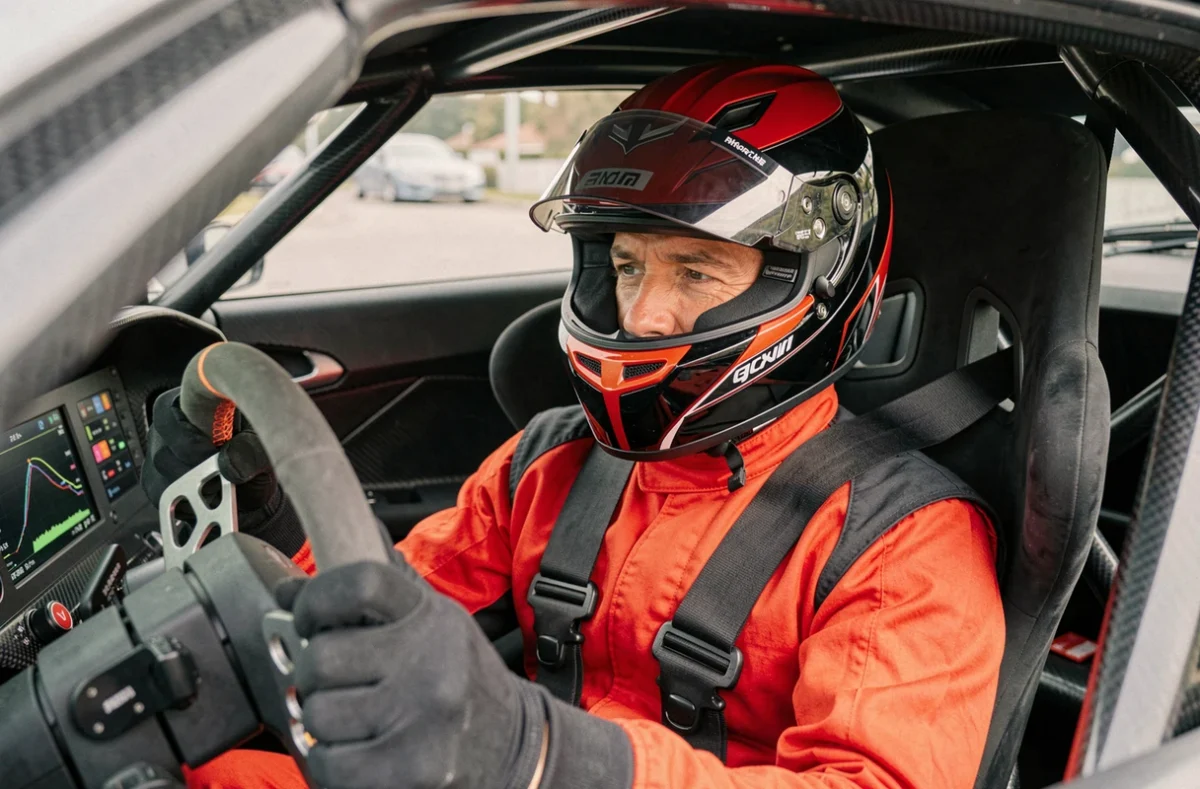
A driving experience is a supervised session on a closed circuit, during which participants drive a sports or racing car themselves under the guidance of an instructor. The difference from a passenger ride, where you sit alongside the driver, completely changes the experience: taking the wheel means managing braking, racing lines and acceleration. Choosing the right experience means understanding a few technical details before comparing offers.
Excess and vehicle damage insurance: what the brochures don’t spell out
Most providers include third-party liability insurance in the price. That doesn’t mean damage to the car is covered. Vehicle damage insurance is often separate from third-party liability, and you may have to pay an excess if you go off track or make contact with another vehicle.
Before confirming a booking, read the terms and conditions to check for exclusions. Reviewing the terms of your personal insurance can also help you avoid an unpleasant surprise. Some packages offer optional additional cover at extra cost, which reduces or waives the excess.
Providers listed on racing-car-yonnais.fr let you review these terms in advance, making it easier to compare several offers before committing.
Single-seater or GT experience: how the car affects the driving experience
Choosing a car isn’t just a matter of personal taste. It determines your driving position, how much you drive independently and the kind of sensations you’ll experience on the circuit.
Single-seater: alone in the car, low to the ground
A single-seater (Formula Renault, Formula 4) puts the driver in a semi-reclined position, just a few centimetres above the tarmac. There’s only one seat, so no instructor sits alongside you. Instructions are given over the radio or during briefings between sessions. With no passenger on board, you’re entirely on your own on the track, making this a good choice for anyone looking for an experience close to competitive racing.
It feels very different from driving on the road. Lateral acceleration through corners, responsive braking and a lightweight chassis create intense sensations that are hard to replicate any other way.
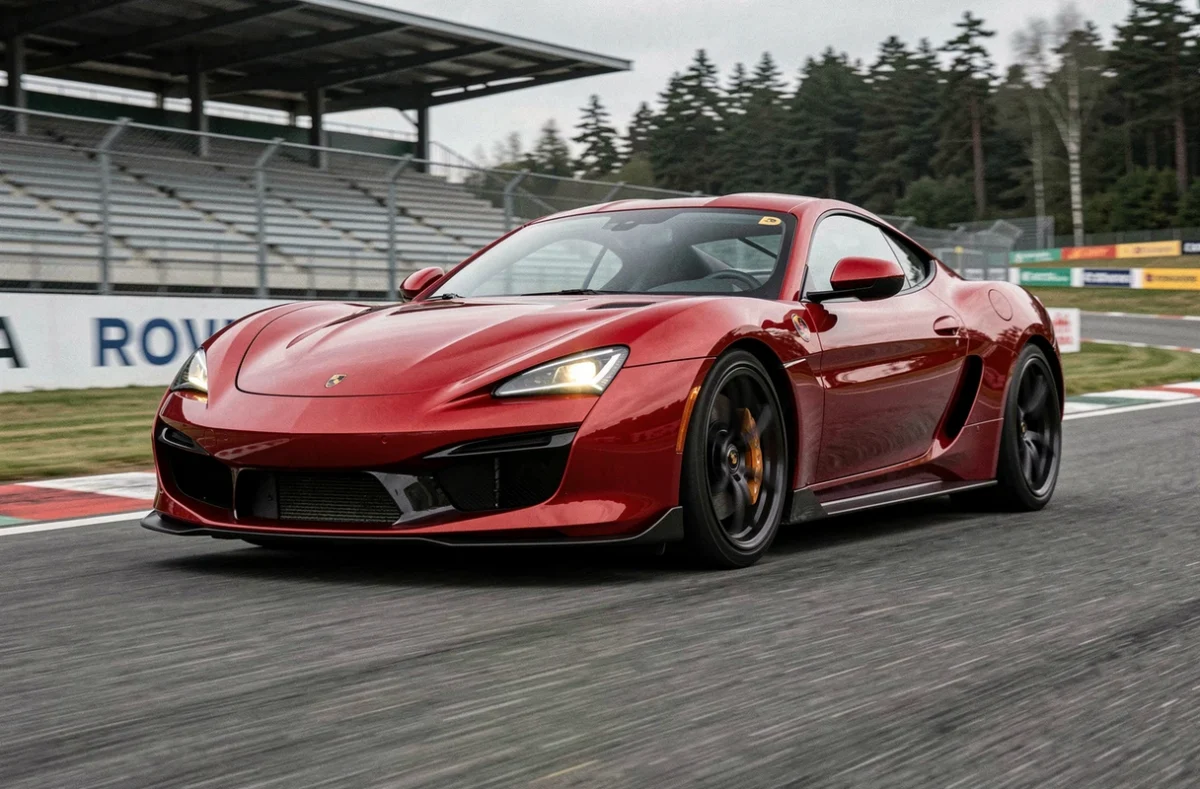
GT: an instructor on board and more familiar reference points
GT experiences use sports cars (Ferrari, Porsche, Lamborghini) with a passenger seat. An instructor sits beside you and provides real-time guidance on braking points, steering angles and when to accelerate again. A GT experience offers guided, lap-by-lap instruction, making it ideal for those new to circuit driving.
The driving position is similar to that of a regular car, which can reassure beginners. Performance is still far beyond that of a standard road car, and the available power is more than enough to get your adrenaline pumping.
Circuit layout and number of laps: two factors that shape the experience
A technical circuit with a series of tight corners (S-bends and slow hairpins followed by short straights) demands more precision than outright speed. A fast layout with long, sweeping corners puts the focus on managing aerodynamic downforce and maintaining speed through the turns.
The number of laps or actual driving time varies from one package to another. Two or three laps are enough to get a feel for the experience, but leave little room to improve. A longer session gives you time to put the instructor’s feedback into practice and notice a real difference between your first and last laps.
- Check the actual driving time (excluding the briefing, changing and getting settled in the car) so you can compare offers on a like-for-like basis
- Find out what kind of layout the circuit has: a short, technical track is ideal for working on racing lines, while a fast circuit heightens the sensation of speed
- Make sure the advertised lap count refers to flying laps, not warm-up or cool-down laps
Cancellation terms and weather: what to check before paying
Rain doesn’t automatically mean a driving experience will be cancelled. Some providers run sessions in the rain in cars with enclosed cockpits, such as GTs. Policies may differ for single-seaters or Formula 1 cars: LRS Formula states that its Formula Renault experiences go ahead in the rain, while Formula 1 experiences may be rescheduled in difficult conditions.
Deadlines for changing the date also vary by provider. Nomad Pilotage, for example, allows you to change the date up to 30 days before its drift experience at Ladoux, but not after that. If you don’t show up on the scheduled day, you forfeit the experience.
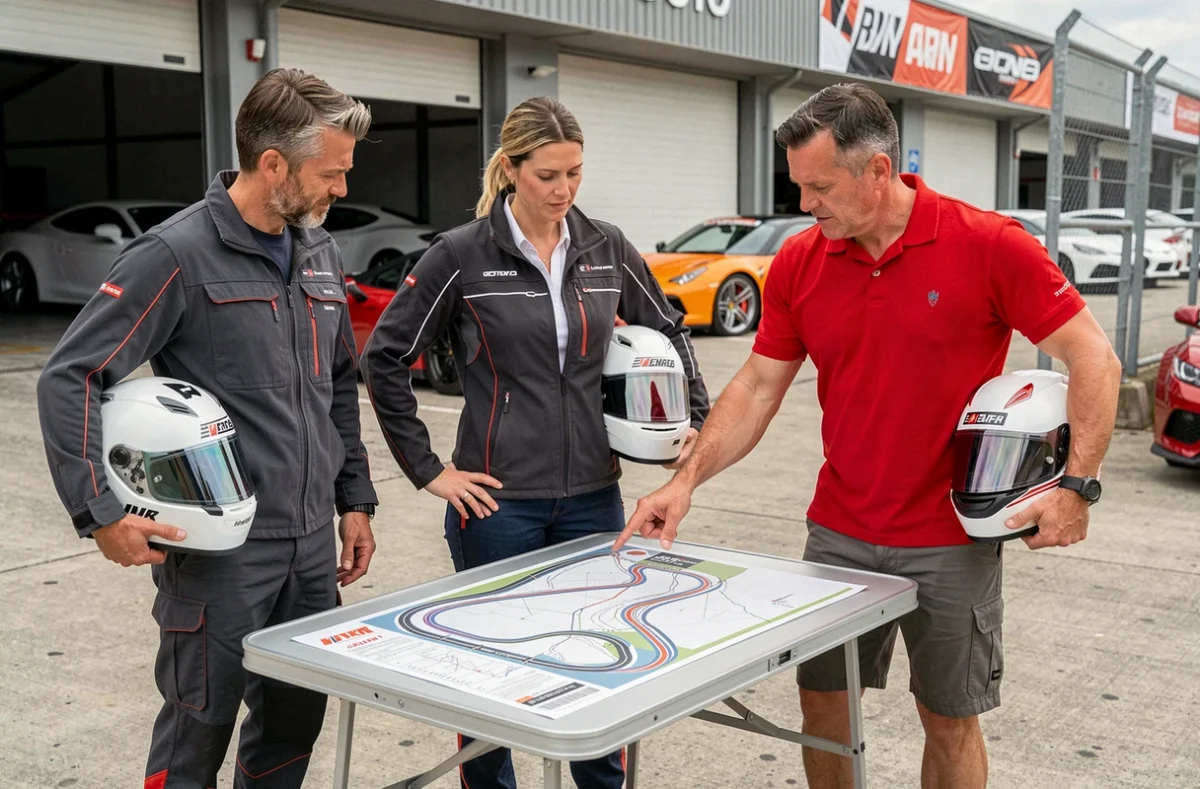
These rules vary from one provider to another. Before booking, be sure to check three things:
- The rescheduling policy in bad weather, which depends on the car you choose and the circuit
- The deadline for changing the date free of charge, usually between a few weeks and a month before the session
- What happens if you don’t show up without giving notice, which can mean forfeiting the full amount or being offered a partial reschedule
The actual cost of a driving experience can exceed the advertised price once you add optional insurance, any change fees and travel to the circuit. Comparing packages on the base price alone can give a misleading picture. Listing every expense before you choose gives you a more accurate idea of the total budget.
Choosing the right driving experience has less to do with the prestige of the logo on the bonnet and more to do with whether the format suits what you actually want from the session. Reading the fine print is the most worthwhile thing you can do before putting on your helmet.