Since 2022, a prior authorization regime governs homeschooling in France, making access more restrictive than before. Four specific reasons condition the validation of requests, and each year, the administration conducts rigorous checks.
Families must justify their choice and present a solid educational project, or risk being denied the opportunity to continue. Despite this strict framework, the number of requests continues to rise, driven by various convictions and specific needs.
Why more and more families are choosing homeschooling
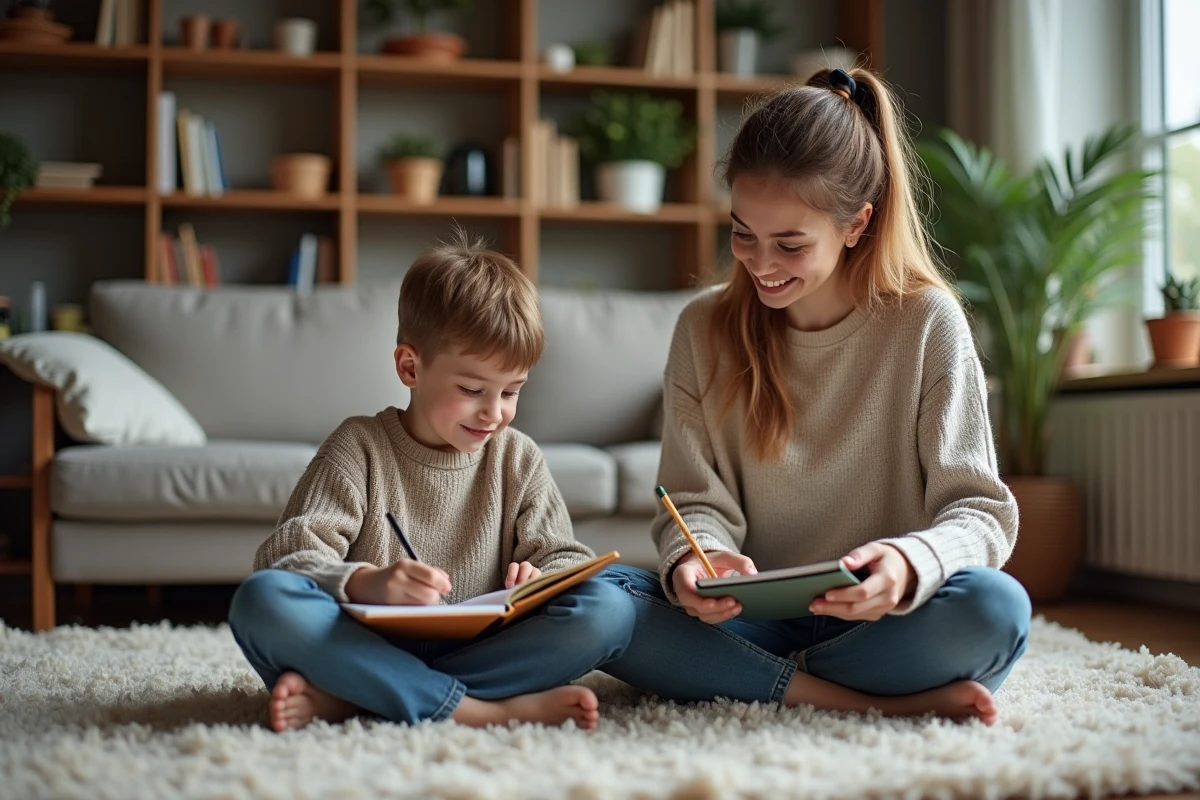
The choices leading to homeschooling are not limited to an ideological stance or a few stereotypes. For many parents, it is about providing their child with a real adaptation to their needs, pace, and particularities. When traditional school leaves certain profiles behind, homeschooling becomes a concrete response, sometimes a necessity. Alternative pedagogies, whether inspired by Montessori, John Holt, Charlotte Mason, or other movements, attract attention for their ability to place the child at the heart of the learning process.
Pedagogical freedom emerges as a driving force. Here, we explore areas that are rarely present in traditional curricula, favor experimentation, projects, and hands-on manipulation. For other families, difficulties encountered at school, such as school phobia, learning disabilities, or bullying, necessitate seeking a calmer, less standardized environment where the child can regain confidence and progress at their own pace.
Home Educ offers valuable support to those questioning homeschooling or facing its realities: resources, testimonials, tools, and mutual aid. The exchange of experiences, shared advice, and concrete solutions form a solid foundation for building a meaningful alternative education. Among homeschooled children, one often observes a lively curiosity, a strong taste for autonomy, and sometimes an ease in learning “differently” that challenges certainties about education.
At a time when distance learning is being reinvented, families are betting on personalized paths: individual support, mutual aid networks, correspondence courses, active communities. Far from isolation, homeschooling unites, structures, and continuously adapts, revealing the diversity of profiles and aspirations. This movement questions established educational models and prompts a rethinking of knowledge transmission.
What steps and conditions must be met to get started
Obtaining permission for homeschooling now follows a logic of exception. It all begins with a written request to the director of national education services in the department, each year, for each child. This request cannot settle for generalities: it must very precisely demonstrate what motivates the project, whether it is a health need, a specific family situation, or a unique and coherent educational project.
The file must present, point by point, the proposed educational project: methods, chosen materials, daily organization. The administration analyzes the child’s situation, the logic, and the scope of the family project. Without a legitimate and well-argued reason, the request may be denied, even upon renewal.
Here are some key points to ensure the project has the best chance of being accepted:
- Respect deadlines: the request must be submitted before the start of the school year, except in exceptional circumstances (health, mobility…).
- Prepare concrete supporting documents: medical certificates, attestations, precise descriptions of the educational project, anything that can prove the reality and coherence of the approach.
- The national education system verifies the child’s situation and assesses whether the project truly serves the student’s interest.
In case of refusal or dispute, the Council of State can be approached. This legal framework, applied in both large cities and rural areas, places each family under the attentive gaze of the administration. The era of simple declaration is over: each project is scrutinized and evaluated, with increased vigilance across the territory.
Practical tips for living peacefully with homeschooling on a daily basis
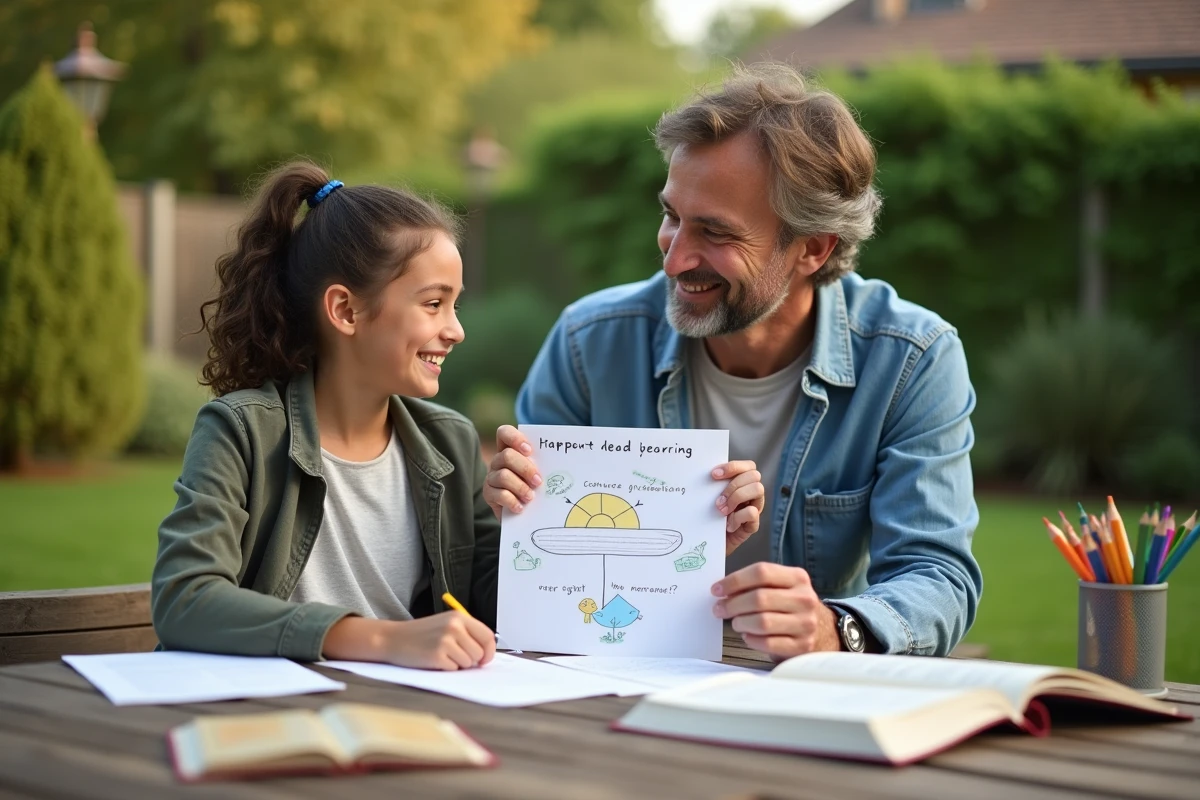
Starting homeschooling is neither about going in blind nor reinventing everything alone. The foundation is a clear educational project, tailored to the child, built around their interests, desires, and needs. Relying on the common core of knowledge and skills provides a reassuring framework, structures progress, and prepares calmly for the educational assessments conducted by the national education inspection.
Organization should remain flexible: there is no need to replicate the school timetable. Regularity matters more than an overloaded program. Some children learn better in the morning, others in the afternoon; some prefer digital materials, while others like paper. Varying materials, integrating different pedagogies, and offering hands-on activities: diversity fuels motivation and encourages self-confidence.
Some concrete practices facilitate daily life and secure the journey:
- Keep a record of learning: notebooks, portfolios, photos, creations. These elements are valuable allies during educational assessments.
- Mix knowledge with everyday life: cooking, gardening, walks, reading aloud… homeschooling draws from daily life and enriches it continuously.
- Create and maintain connections with other families practicing homeschooling, participate in local groups or shared workshops. The collective breaks isolation and stimulates new ideas.
A vibrant educational project is a path that adjusts continuously, listening to the child and their needs. Families who choose homeschooling often describe an autonomy that builds step by step, away from rigid frameworks. It is difficult to know where these paths lead, but one thing is certain: each child, each family invents their own route, and that is where the richness of the movement lies.