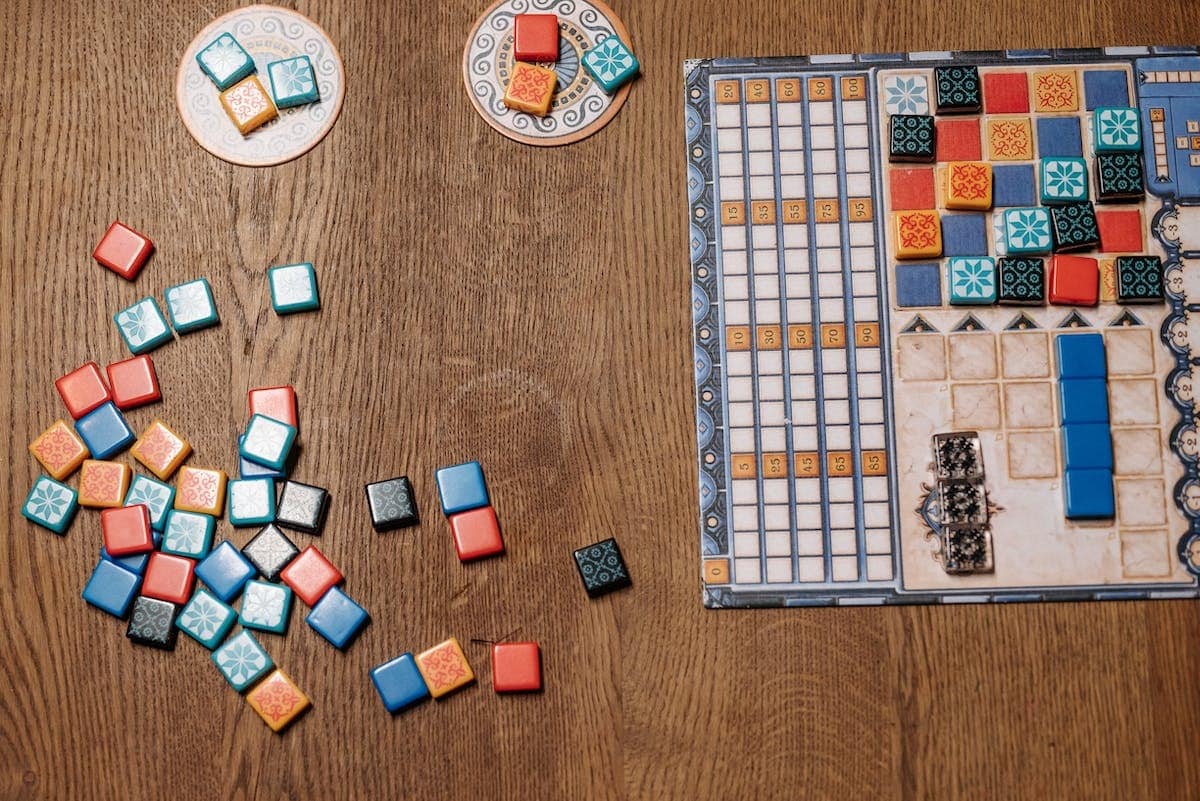
Let’s dive into the heart of an exciting and strategy-rich hobby: the game of squares. Behind this simple name lies a universe of tactics and reflection. Still unknown to many, this captivating game, both fun and stimulating for the mind, deserves to be explored in depth. Coming from various backgrounds, enthusiasts or novices will appreciate its ease of learning while immersing themselves in the subtleties of its strategy. The game of squares offers incredible potential for those who wish to awaken their tactical and strategic minds. By discovering it, they can experience a rewarding playful adventure.
The roots of the square game: a fascinating history
Let’s delve into the fascinating history of the game of squares, also known as Kem’s. Although its exact origin remains unclear, its roots can be traced back to ancient Egypt and ancient China. The earliest written records date back over 3,000 years B.C., where it was played by Egyptian pharaohs. Over the centuries, this game spread across different civilizations and underwent various changes to arrive at the classic rules of Kem’s that we know today.
The classic rules of Kem’s are simple but offer an unsuspected strategic depth.
Master the essential rules of the square game
Now let’s explore the rules of this captivating game. Kem’s is played on a square board made up of numbered squares. Each player has a set of tokens, usually in different colors, which they must place wisely on the board.
The objective of the game is simple: to form horizontal, vertical, or diagonal lines by aligning their tokens. These lines can be straight or at right angles and must contain at least three consecutive tokens to be validated. Once a line is formed, the involved tokens are removed from the board, and the player scores points.
There are a few constraints to adhere to during the game. It is not possible to play in a square already occupied by another token. Each player is allowed only one move per turn: they can either place a new token on an empty square of the board or move one of their already present tokens to an adjacent empty square.
Games can become truly intense and strategic as players must not only create their own lines but also block those of their opponents to limit their possibilities. A sharp sense of anticipation and a deep analysis of movements are essential to hope for victory.
Some variations of the game allow for the introduction of additional elements such as bonus squares that grant more points to players or special powers that add even more unpredictability and twists to the games.
Kem’s is a game that lends itself well to both friendly duels and fierce competitions. It generates passion and enthusiasm among a large community of players, always seeking new strategies to dominate the board.
Discover winning strategies for the square game
Now let’s dive into the different strategies to triumph in the square game. To maximize your chances of success, it’s important to adopt a thoughtful and calculated approach.
The key to victory lies in a good anticipation of opponents’ moves. It is crucial to carefully analyze the movements of other players to predict their intentions. This will not only allow you to block their potential lines but also to establish your own strategy accordingly.
A commonly used tactic is to occupy the center of the board from the start of the game. By controlling this central area, you gain a significant advantage in terms of options and flexibility to create lines later on. This dominant position also offers more opportunities to hinder opponents.
Keep in mind that not all squares have the same strategic value. Indeed, those located at the edges offer fewer options for forming lines. Prioritizing squares close to the center can be wise in certain cases.
The ability to sacrifice certain tokens can also pay off in this tactical game. Sometimes, abandoning a few tokens to better structure your board or block opponents’ movements can be a clever choice that leads to final victory.
There is an infinite variety of possible combinations when it comes to the initial placement of tokens on the empty board. Some players opt for a random placement to keep their strategy secret, while others prefer a more thoughtful positioning based on predefined patterns.
As the game progresses, it’s important to remain constantly attentive to the opportunities that arise. The ability to quickly adapt to changing situations and seize opportunities can make the difference between a bitter defeat and a resounding victory.
Winning at the square game requires a subtle blend of intuition, anticipation, and strategic calculation. Each player develops their own approach based on their personal style and the actions of their opponents. But by keeping these various strategies in mind, you will increase your chances of emerging triumphant in this exciting tactical game that is Kem’s.
The square game: a beneficial brain workout
Now let’s dive into the fascinating world of the benefits of the game of squares on cognitive development. This strategic game, in addition to being entertaining, offers numerous advantages for our brains.
The game of squares engages our ability to plan and make thoughtful decisions. To succeed, you must choose the best possible strategy. This cognitive activity strengthens our decision-making skills and teaches us to analyze the potential consequences of our actions.
The game of squares develops our ability to anticipate opponents’ movements. By carefully observing the actions of other players, we can predict their intentions and adjust our own strategy accordingly. This capacity for anticipation fosters mental flexibility and improves our ability to read non-verbal signals.
The game of squares also requires great concentration and good attention to detail. Every move counts in this game where each square can make the difference between victory or defeat. By fully concentrating on the board and meticulously analyzing each situation, we sharpen our attentional capacity while developing our sense of detail.
This game effectively stimulates our visual memory. To devise a winning strategy, it is necessary not only to keep track of previous moves but also to have a global view of the board to quickly identify emerging opportunities. This enhances our short-term visual memory and makes us more agile in searching for relevant information.
The game of squares also promotes the development of social skills. By playing with others, we learn to respect the rules, collaborate with our teammates, and manage frustration in case of defeat. These social interactions strengthen our capacity for empathy and contribute to our emotional well-being.
The game of squares is much more than just entertainment. It offers concrete benefits for our cognitive development by stimulating various mental faculties such as strategic planning, anticipation, concentration, visual memory, and social skills.
Tournaments and world competitions: the elite of the square game
Competitions and tournaments of the square game have seen a true explosion in recent years, reflecting the growing enthusiasm for this captivating game. Around the world, passionate players gather to compete in skill and strategy in fierce encounters.
Among the major events, we first mention the famous annual world championship held in the picturesque city of Oxford in England. This prestigious competition attracts the best players from around the globe, each eager to win the coveted title. Participants face off in heated matches where every move counts. The atmosphere is electric and the tension palpable.
Beyond this flagship competition, there are also various regional tournaments across Europe, such as the one organized in Berlin, Germany, or the one taking place in Barcelona, Spain. These sporting events spark curiosity and generate growing enthusiasm among knowledgeable enthusiasts wishing to challenge the best European players in a friendly yet intense atmosphere.
The American continent is not left out as it also hosts its share of international competitions. Canada, for example, organizes an annual tournament bringing together players from around the world to compete in thrilling matches with strictly enforced rules.
In Asia, the game of squares is also gaining ground with national championships organized in Japan and South Korea. These countries, true cradles of strategy, see players compete in tactical duels where intelligence and reflection are essential to hope for victory.
Square game competitions are not limited to just the traditional versions of the game. Indeed, some tournaments offer more exotic variations that add an extra dimension to the confrontation.