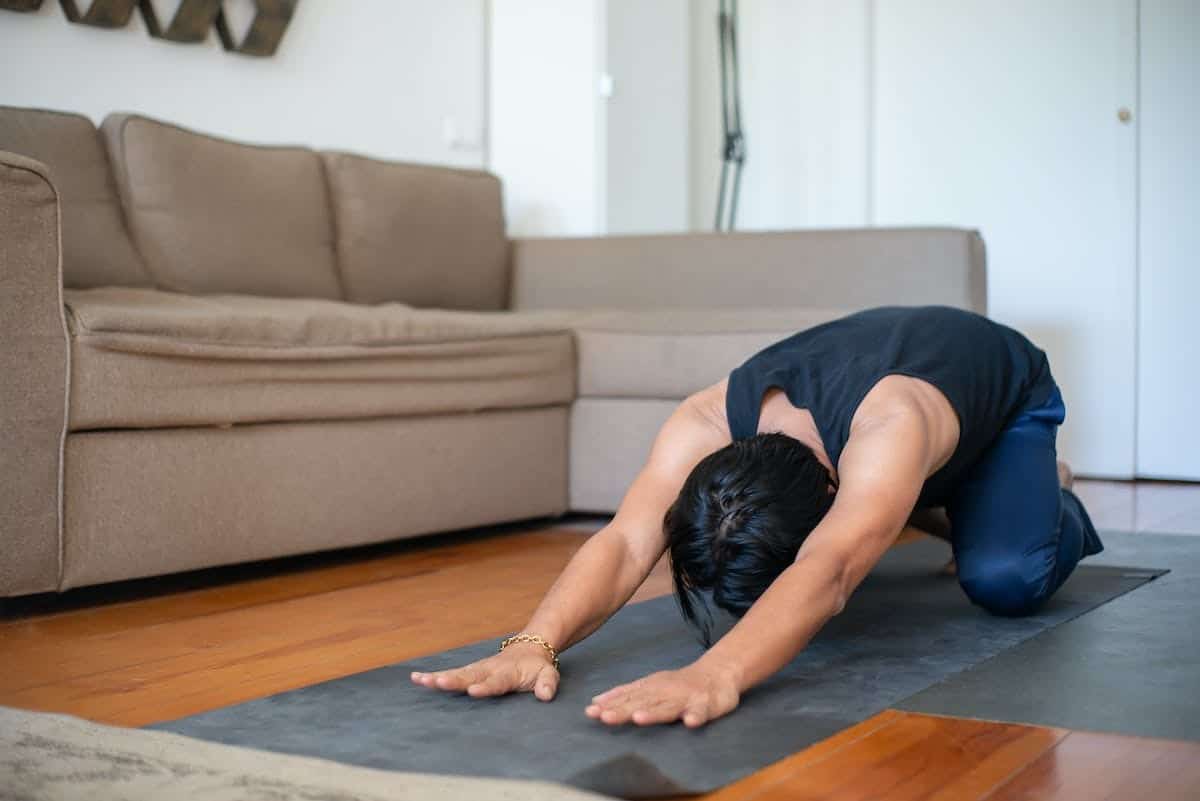
Dive into the world of yoga, an ancient practice originating from India, which combines physical strength with mental serenity. By blending meditation, physical postures, and controlled breathing, yoga offers a range of options suited to different abilities and preferences. Whether you are a beginner or an experienced practitioner, there is a type of yoga that will suit you. From Hatha to Bikram, and Vinyasa in between, each form of yoga presents a unique level of complexity. The goal of this exploration is to help you determine the type of yoga that will best suit you, based on your practice level and objectives.
Yoga: origin and definition explained
Ashtanga Yoga, also known as warrior yoga, may captivate those seeking a challenge. This form of yoga is definitely intended for the bold, as it regularly includes a difficult yoga pose to perform, but the benefits are significant in terms of improving muscle tone and mental endurance.
Yin Yoga may seem less daunting physically but proves to be a challenge in its own way. Focusing on deep relaxation and complete muscle release in each pose, it requires unwavering patience and a tenacious will to hold these passive postures for several minutes.
Let’s not forget Iyengar Yoga, which is a precise style emphasizing the correct anatomical alignment of the body in each posture. It may seem particularly challenging for beginners as it requires not only meticulous attention to detail but also a great familiarity with various props • such as blocks, straps, or cushions • used to help execute each position perfectly.
As for Kundalini Yoga, this style vigorously combines dynamic movements (kriyas), breathing techniques (pranayama), and intense meditation designed to awaken your own spiritual kundalini energy located in your spine • not to mention regular sacred chants (mantras). This process can be overwhelming both physically and mentally if you are not prepared.
Clearly, there is a type of yoga suitable for everyone: novices or experts in difficult yoga poses will find their place. So don’t hesitate to explore different styles until you discover the one that best meets your specific needs.
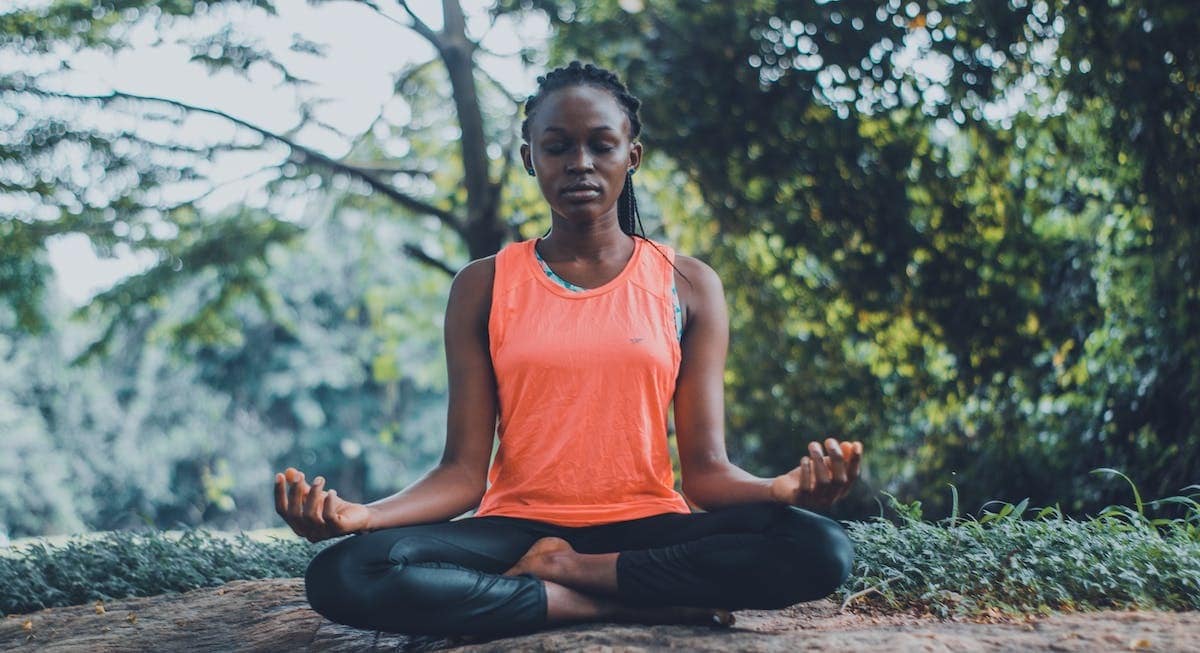
The multiple forms of yoga decoded
When it comes to practicing yoga, it’s important to understand that each type has its own levels of difficulty. The practice of yoga can be both soothing and demanding physically and mentally. You should choose a style that matches your level of experience and personal goals.
Hatha Yoga, for example, is considered one of the most accessible styles. It primarily focuses on basic postures (asanas) and breathing (pranayama). Sessions are generally gentle and moderate in intensity, making it an ideal option for beginners or those who prefer a more tranquil approach.
If you are looking for a more intense physical challenge, Vinyasa Yoga might be for you. This dynamic style emphasizes a constant flow between poses with precise synchronization of breath. The fluid movements require strength, endurance, and flexibility. Although it may seem difficult at first due to the fast pace of transitions between postures, it also offers an opportunity to improve your overall fitness.
For those seeking a balance between physical effort and mental harmony, Yin-Yang Yoga can be an excellent choice. This practice combines elements of Yin Yoga (poses held for several minutes) with active sequences inspired by Vinyasa Yoga. It thus allows you to work on both deep relaxation and muscle strength while promoting inner balance.
On the other hand, some styles such as Iyengar Yoga or Ashtanga Yoga are recognized for their more advanced level of difficulty. Iyengar Yoga emphasizes the precise alignment of the body in each posture, which requires great concentration and meticulous attention to detail. Props such as blocks, straps, and cushions can be used to support the body in more challenging poses.
As for Ashtanga Yoga, it is often considered an intense physical challenge due to its specific sequence of demanding postures. This practice requires strength, flexibility, and endurance while encouraging mental discipline and self-mastery.
Yoga difficulty levels: which challenge to choose
There are also other yoga formats worth exploring to find the one that best suits your practice. Kundalini Yoga, for example, focuses on awakening the vital energy located at the base of the spine. Sessions incorporate dynamically active postures, breathing exercises, and specific meditations aimed at strengthening both body and mind.
For those seeking a gentler and more introspective approach, Restorative Yoga can be an excellent option. This style is characterized by passive poses held for several minutes with the help of props such as cushions, blankets, or straps. It promotes deep relaxation of the body and mind, allowing the nervous system to regenerate.
If you are interested in a connection between spirituality and the physical practice of yoga, you might be drawn to Jivamukti Yoga. This modern method combines asanas, mantra chanting, guided meditation, and philosophical study in each session to foster holistic awareness.
It should be noted that lesser-known variations such as Rocket Yoga, a dynamic version inspired by Ashtanga Vinyasa Yoga where transitions between asanas are fluid; or Aerial Yoga, which consists of a series of exercises performed with a suspended hammock allowing for a complete aerial workout of the body.
It is important to note that finding the type of yoga suited to one’s practice requires some experimentation and personal exploration. Each individual has specific needs and preferences, so it is essential to listen to your body and intuition when choosing a yogic discipline.
Regardless of your level of experience or personal goals, there is a type of yoga that suits you. Whether you seek relaxation, physical intensity, or spiritual connection, simply explore the various options available to find the one that resonates best with you. So don’t hesitate, embark on this wonderful yogic adventure and discover the profound benefits it can bring to your daily life.
Finding the yoga that matches your practice
It is worth mentioning Hatha Yoga, which is considered the traditional form of yoga. This style emphasizes the balance between physical postures (asanas) and breathing techniques (pranayama). Also worth mentioning is Ashtanga Vinyasa Yoga, this dynamic style is characterized by fluid and energetic sequences that engage all the muscles of the body. Power Yoga also offers a cardiovascular dimension by promoting blood circulation and increasing endurance.
If you are looking for a harmonious practice that combines strength, flexibility, and mental focus, Vinyasa Flow Yoga may meet your expectations. The fluid transitions between poses create a graceful dance where each movement is synchronized with the breath. This form of yoga encourages not only a complete muscular workout but also an attentive presence in the moment.
Another interesting type of yoga to explore is Iyengar Yoga. Developed by B. K. S Iyengar, this method focuses on the precise alignment of the body using supports such as blocks, straps, or chairs. Iyengar Yoga emphasizes stability and correct posture, and is particularly beneficial for individuals with back problems or other physical limitations.
For those wishing to explore the meditative side of yoga in depth, there is Kriya Yoga. This spiritual practice aims to release the latent energy located in our spine through a combination of static postures, specific breathing techniques, and meditation. Kriya Yoga offers a path to inner realization by awakening our higher consciousness.
Whatever type of yoga you choose to explore, keep in mind that there is no hierarchy among the different formats. Each style brings its own benefits, and it is important to be attuned to your being.