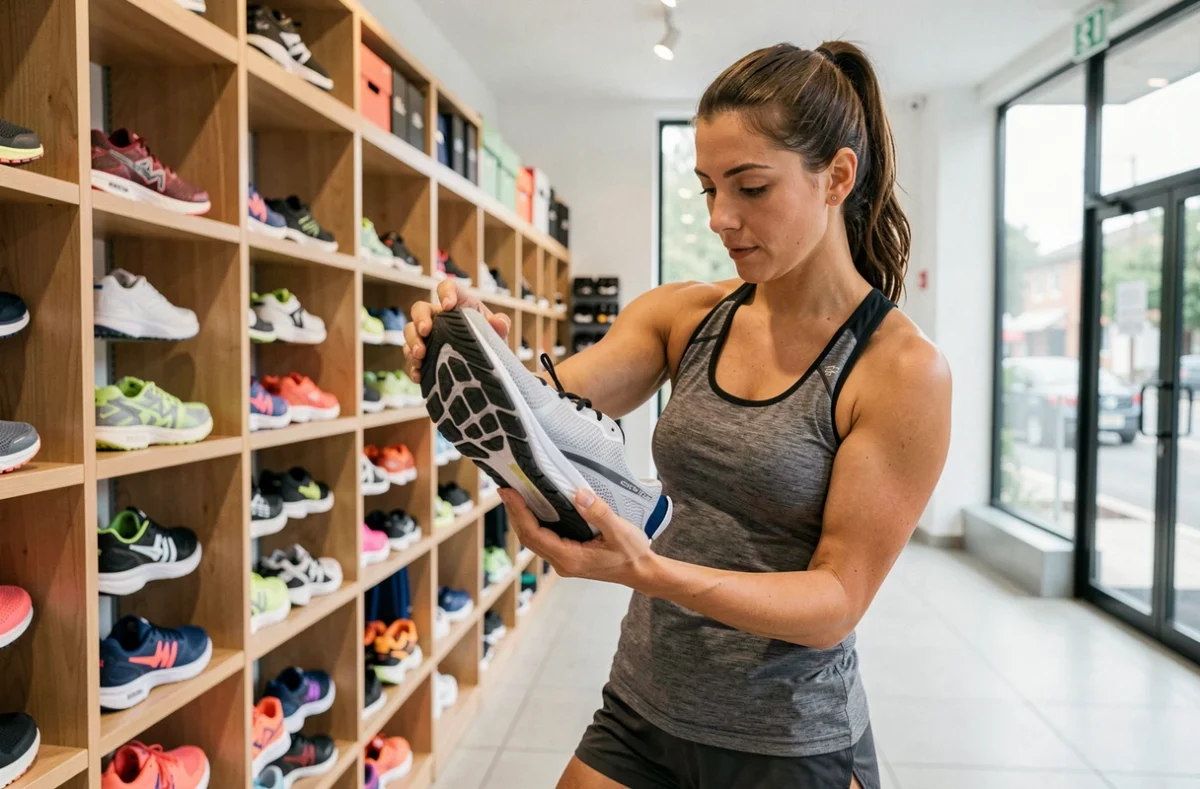
A runner who repeatedly trains on asphalt in shoes that are too stiff can eventually develop periosteal pain. A climber whose harness no longer fits properly after losing weight takes a risk on every pitch. Choosing sports equipment is about more than comparing price ranges: it affects safety, progress and the lifespan of the gear.
Since December 13, 2024, the European General Product Safety Regulation (GPSR) has strengthened manufacturers’ obligations for many consumer sports products. Among other things, it requires manufacturers to be clearly identified, instructions to be easy to read and, for higher-risk equipment, evidence of a safety assessment. Choosing equipment suited to your sport also means knowing how to read these markings.
Regulatory category of sports equipment: what varies by product
People often assume that the CE marking is enough to guarantee that a sports product is reliable. In practice, CE marking is required only for product categories covered by specific European legislation. A bicycle helmet falls under the rules for personal protective equipment and must carry this marking. A motorized treadmill may be covered by legislation on machinery or electrical equipment.
By contrast, standard dumbbells and resistance bands do not necessarily need CE marking. They are still subject to the GPSR’s general safety requirements. The distinction matters: before buying, check which regulatory category the product belongs to rather than relying on a single logo.
For detailed product information and comparisons by sport covering strength training, fitness and specialist training equipment, visit https://www.foudesport.com. You can compare technical specifications before checking regulatory requirements.
Fit and inspection: safety criteria for protective gear
A helmet, knee pads, shin guards or harness will only protect you properly if it fits your body. A model that is too loose will not absorb impacts effectively. One that is too tight can restrict blood flow or joint movement.
What to check before each use
- Fit for your current measurements: equipment bought two seasons ago may no longer fit after a change in weight or body shape, especially for growing children
- The condition of straps, padding and shells: any visible deformation, crack or wear in an impact-absorbing area means the item should be replaced, not repaired at home
- Instructions after an impact: most helmets (for cycling, skiing or climbing) should be replaced after a significant impact, even if there is no visible damage, because the internal structure may be compromised
The user’s age affects the precautions needed. A child who plays judo or rugby needs a mouthguard molded to their teeth, not a generic model designed for an adult. Standards do not replace trying the equipment on.
Repairability and durability: practical factors when choosing equipment
The European Ecodesign for Sustainable Products Regulation (ESPR), which entered into force in July 2024, establishes a framework for future repairability requirements for certain product categories. Not all the rules yet apply to every type of sports equipment, but the message is clear: the availability of spare parts is becoming a practical factor in purchasing decisions.
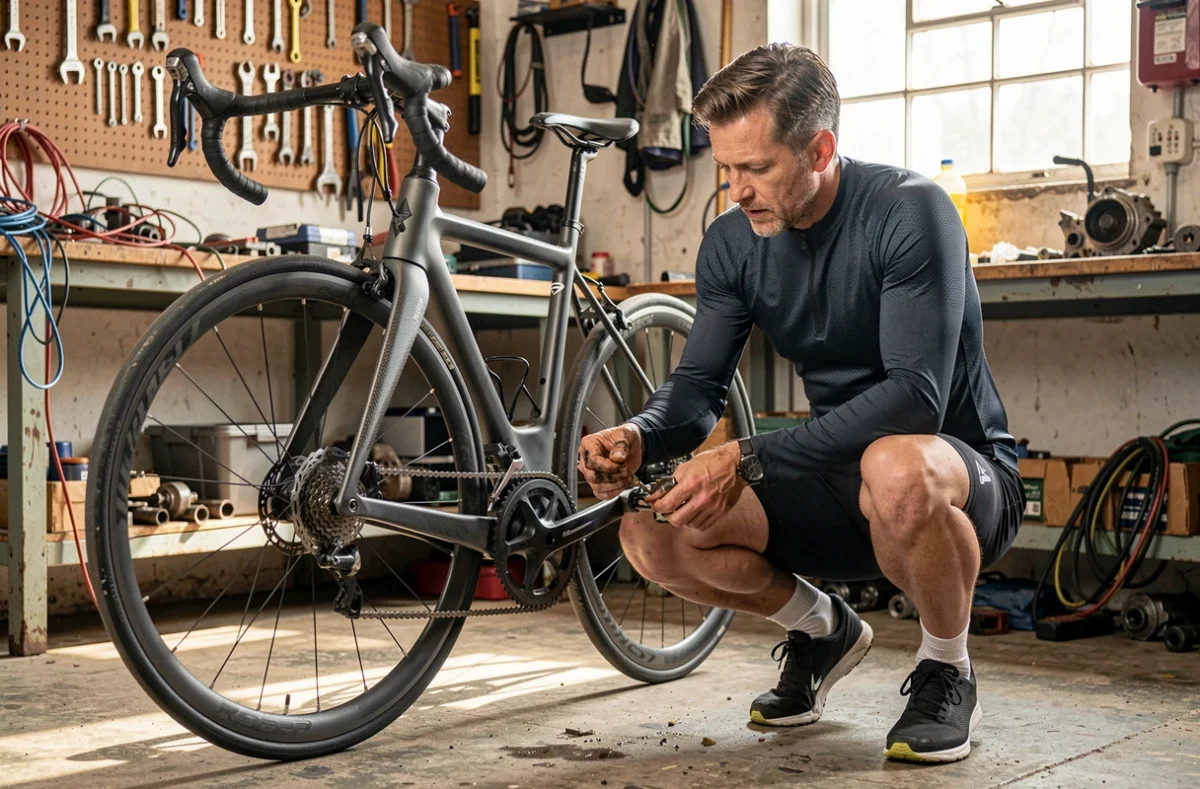
In practice, this changes how you compare two products. An elliptical trainer whose resistance cable can be replaced in five minutes with a part costing a few euros is not the same investment as a sealed model that has to be sent to a repair shop for even the smallest fault.
What to check before buying training equipment
- Whether wear parts are available (bearings, cables, handlebar grips, removable insoles)
- Whether the manufacturer offers a repair network or official tutorials
- Modular design: a strength-training machine with pulleys, seats and cables that can be removed separately will last longer than a single-piece unit
- The estimated cost of a common repair compared with the original purchase price
When two products are of comparable quality, the repairable one is a better choice than the disposable one. This applies to trail-running shoes (whether or not the sole can be reglued) just as much as it does to a rowing machine.
Choose equipment suited to your sport and experience level
A beginner swimmer does not need competition jammers. A casual tennis player will not benefit from natural gut strings tensioned for a competitive player. Over-equipping can hinder progress just as much as under-equipping, because it dulls your feel and distorts your technical reference points.
Choose equipment by considering three factors: how often you train, the type of physical demands involved and the environment. A runner who heads out three times a week on damp forest trails needs a moderately offset shoe with a lugged sole, not a lightweight road shoe designed for dry pavement.
The same principle applies to home strength training. A pair of adjustable dumbbells covers a wide range of weights and can support your progress over several months. A collection of fixed-weight dumbbells takes up space and can quickly become either insufficient or excessive, depending on the exercises.
When to replace your equipment
Replace equipment based on measurable wear, not the calendar. Running shoes lose their cushioning long before they look worn. Checking for deformation in the midsole is a more reliable indicator than the mileage suggested by the manufacturer, which varies depending on the runner’s weight and the terrain.
Protective equipment is different: never take chances with a cracked helmet or a life jacket with failing seams. Replace it immediately.
Choosing the right sports equipment comes down to asking three questions in order: Is it safe for its regulatory category? Does it fit my body and suit the way I train now? Can I repair it when it wears out? The answers to these three questions will rule out most poor purchases.